Artificial Intelligence · May 2026
AI and Learning:
Some practical questions to guide your AI use
In this blog, I describe the roles AI could take in our kids’ learning, as they enter high school. And the questions I ask myself to determine whether AI would supplement or supplant our kids’ skills.
For us, whether to use AI is not a blanket, one-and-done decision. Because it’s not just about our children’s age. It’s also about the topic, the task and, most importantly, our kids’ capabilities in that moment.
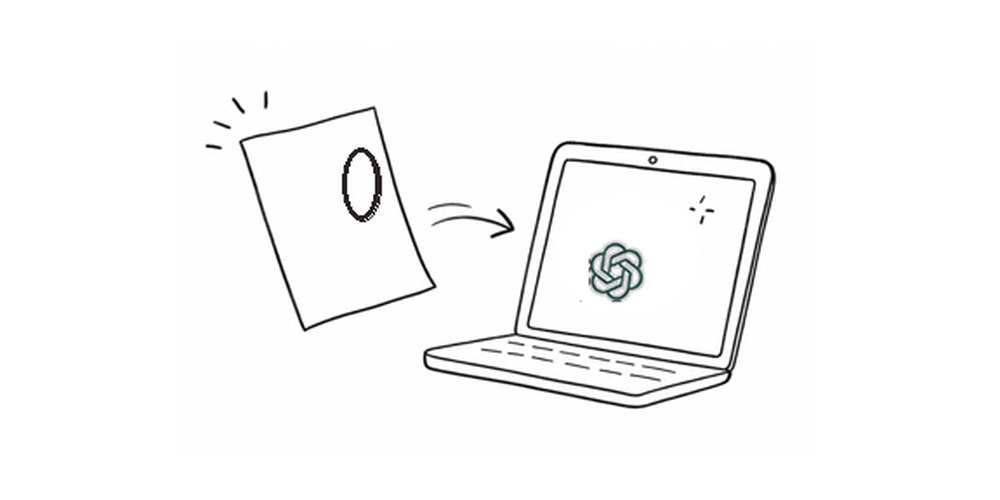
0 × AI = 0
“Hey Chat, can you do this?”
It’s too early. But it’s not about age. It’s about where our child is in that topic, at that time.
There’s no foundation. And giving AI a blank paper to get back a bunch of ‘right answers’ only multiplies that 0. This is where we run the real risk of artificial knowledge.
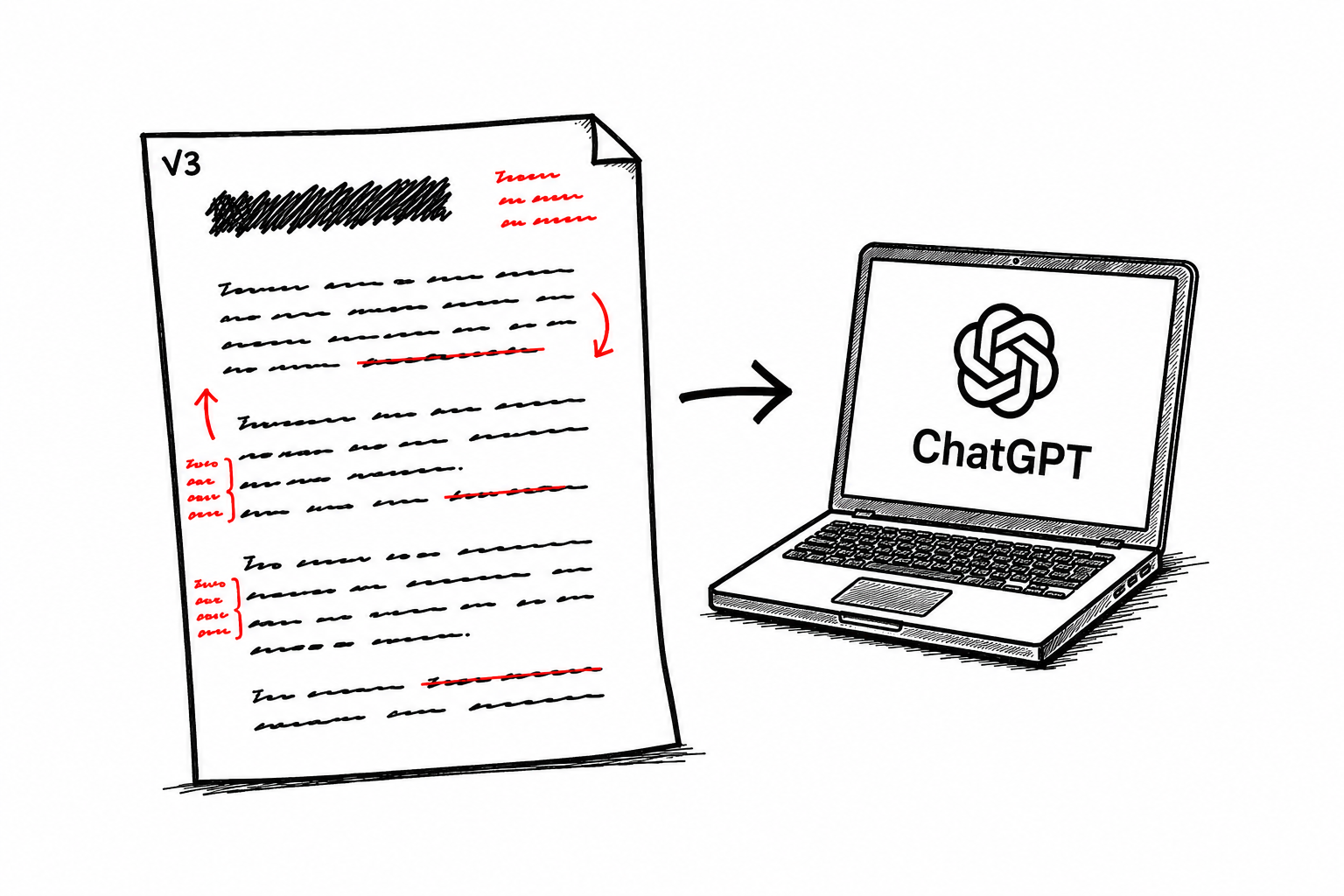
x + AI < x
“Hey Chat, my homework is still wrong! Can you fix this?”
It’s not the right time. This is what avoiding ‘how to learn’ looks like.
It’s only in their 2nd, 3rd, or 5th attempt at the problem that the muscle gets built, the lesson gets learned and the real satisfaction is won.
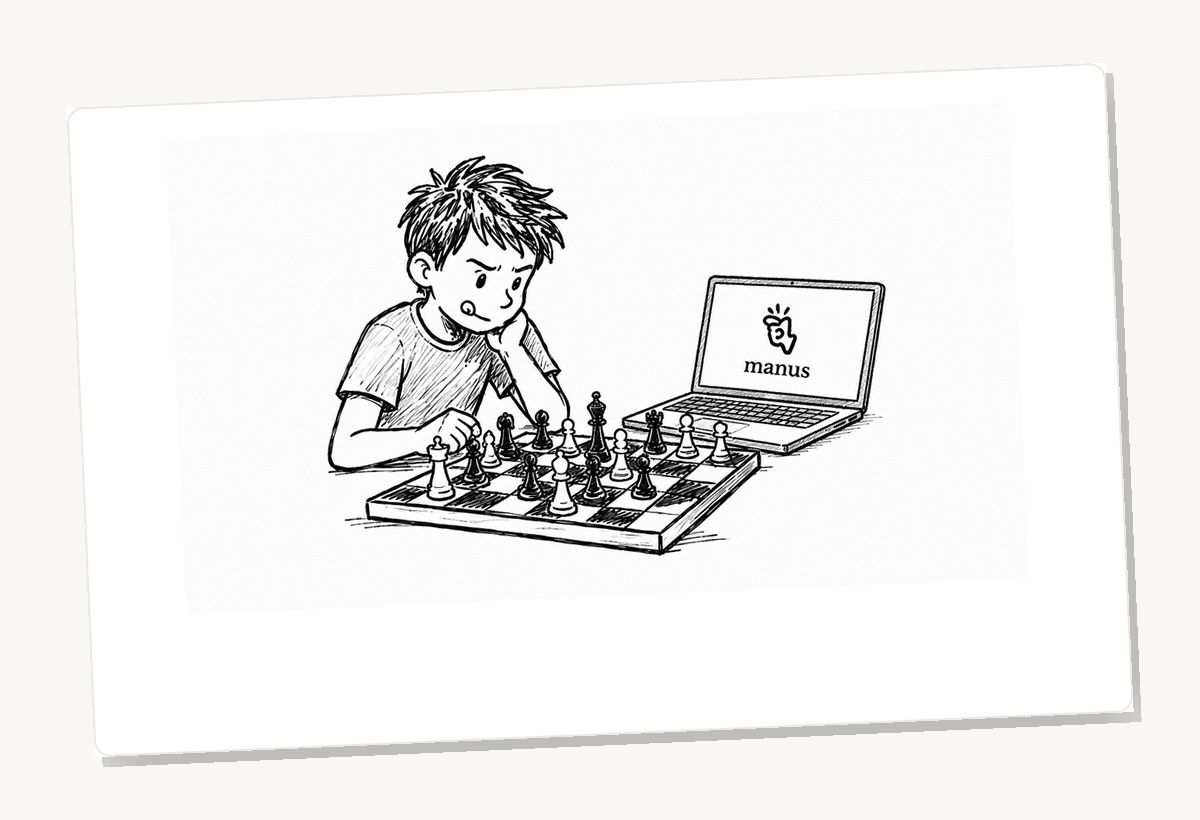
x + AI > x
“Hey Manus, can you ask me questions, test me, quiz me, help me make my work better?”
Now, there’s enough knowledge to understand what real ‘good’ looks like.
They have ownership of their work. They need a sparring partner to push their thinking.
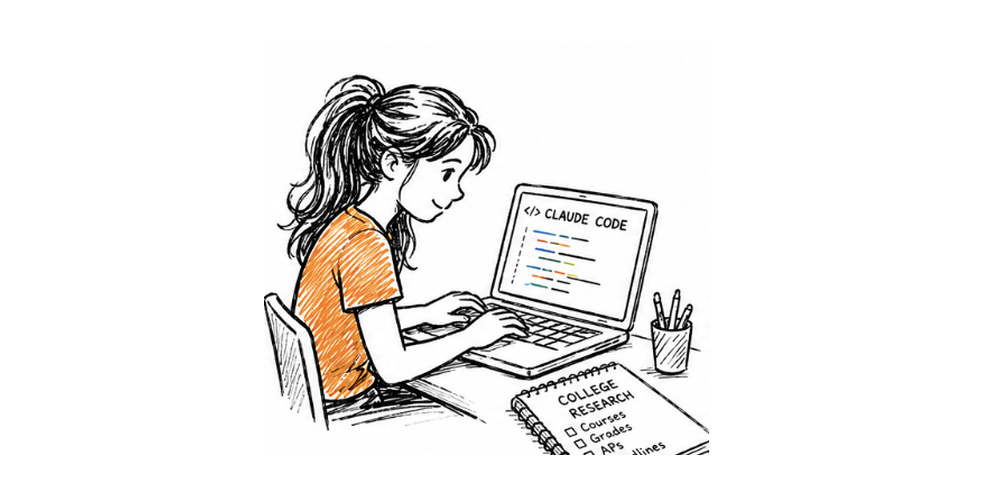
x(AI) = x4
“Hey Claude, I need to do some college research, get all my courses, grades & APs mapped, and stay on top of requirements & dates. I’m gonna build an app for that. Let’s go!”
This is when our child can frame their problem, envision a solution, and make that a reality using AI. Here, our child’s vision and abilities combined with AI produce a result far beyond what she could have built alone.

X > AI
“Let’s pause. This recommendation might be worth a discussion. I’m sensing . . .”
Our child employs AI for the task. But people rely on her for the decision. She knows the difference between the right answer and the right call.
I changed our thinking from “Should our kids use AI?” to “When and how should our kids use AI?”
In that frame of mind, I ask myself . . .
Is their page blank?
This is probably the most obvious ‘no’ for us. When kids are learning a concept or idea whether it’s in 2nd grade or 8th grade, that’s not the time for AI to intervene with answers and shortcuts.
If AI intervenes here, it becomes artificial mastery.
So when our kids read Pride & Prejudice and were trying to write about the arc of the story – their page was blank. And AI had no role here.
The same would apply for a child who is just learning about fractions. Better to cut the piece of paper, slice the pizza or share the candy. Without that foundation, decimals, ratios and proportions won’t land either.
Are they avoiding that ‘good stuck’?
Maybe the page isn’t blank. It has a lot of ‘stuff’ on it. But not much seems to be correct or useful. This is also a ‘no’ for us. All that struggle is the child learning how to learn. Resilience, creativity, problem-solving are skills we need to build.
If AI intervenes here, it becomes a cognitive bypass.
So when only some of the multi-step word problems were correct, we literally went ‘back to the drawing board’. Through that repetition came real world problem solving, creativity and logic. (And of course, eventually geometric proofs).
After reading a short story, your child can easily answer ‘what’ happened. But if they are frustrated with ‘why’, and struggling to pull together a good summary, perhaps let them squirm with that a bit.
Are they silver going for gold?
They know their history. It’s test review time and they want random essay questions to test their understanding of relationships, turning points, and causality.
They need 5 more blank diagrams so they can really nail the solar system, the molecule, the butterfly lifecycle.
They’ve written many strong argumentative essays and they’re looking for someone to push on their logic.
Here AI is a real asset.
It deepens the child’s knowledge and hones their skills. There’s no bypass; no offloading. AI is supplementing.
As long as they ask for the questions, and not the answers.
Are they using AI to execute their vision? Or are they following AI down some path?
When we see this, we’ll know it’s all that creativity, problem solving and resilience coming through in our children. They see AI as the tool to help them create what their minds’ eye can see. Maybe it’s a sports app, maybe they animate their sketches with AI, or use AI to render a 3-D version of their architected space.
Here, AI multiplies our child’s abilities.
Our children will have collaborated with AI to create something they could not have built alone.
Our goal is to teach our children to ask and answer these questions for themselves.
That’s judgment.
That’s knowing the difference between getting a ‘correct’ answer and making the ‘right’ call.
Questions? Book a free intro call.